Trekking Gear Checklist: 10 Ultimate Trail Essentials
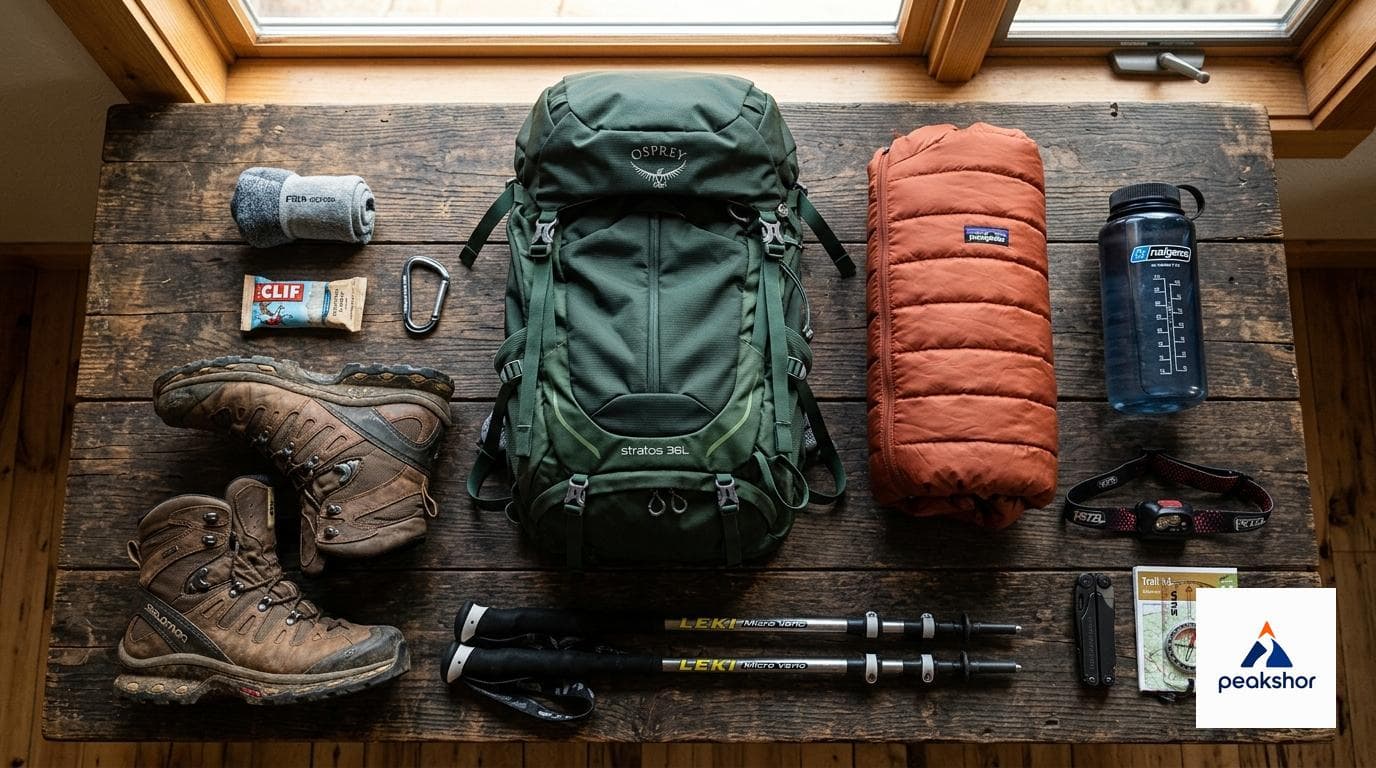
Welcome to the mountains! Preparing for your first high-altitude adventure starts with having a solid trekking gear checklist. Walking on rugged trails requires preparation, especially when booking through a Peakshor host. This guide will show you exactly what to carry to stay safe, warm, and comfortable.
- What should be on my trekking gear checklist?
- How do I layer clothing for mountain treks?
- What are the best trekking shoes for beginners?
- How should I organize my backpack packing list?
- Do I need to buy gear or can I rent it?
- What safety and hygiene items are mandatory?
- What small tools should every trekker carry?
- Final steps before you hit the trail
What should be on my trekking gear checklist?
An essential hiking list must include moisture-wicking layers, proper footwear, a sturdy backpack, navigation tools, and personal hygiene items. These core pieces protect you from unpredictable weather and keep you moving comfortably.
When you head into the wild, your equipment is your life support. You cannot just pack your regular gym clothes or casual shoes. The mountains demand specialized items that handle cold winds, rain, and rough terrain. Your setup should focus on utility and weight. Every gram you put in your pack is a gram you have to carry. First-time trekkers often overpack, which makes the climb much harder. By sticking to a proven list, you keep your pack light.
Let us break down the exact categories of items you need. We will cover clothing, footwear, sleeping gear, and small essentials. This ensures you do not forget anything critical before you leave home. Packing smart means you can focus on the beautiful views instead of sore muscles.

Essential gear category breakdown
To make things easy, divide your packing into five key categories. These are clothing, footwear, carrying gear, sleep systems, and personal utility kits. Each category plays a specific role in keeping you comfortable. If you miss even one area, your entire experience can suffer.
The role of local terrain
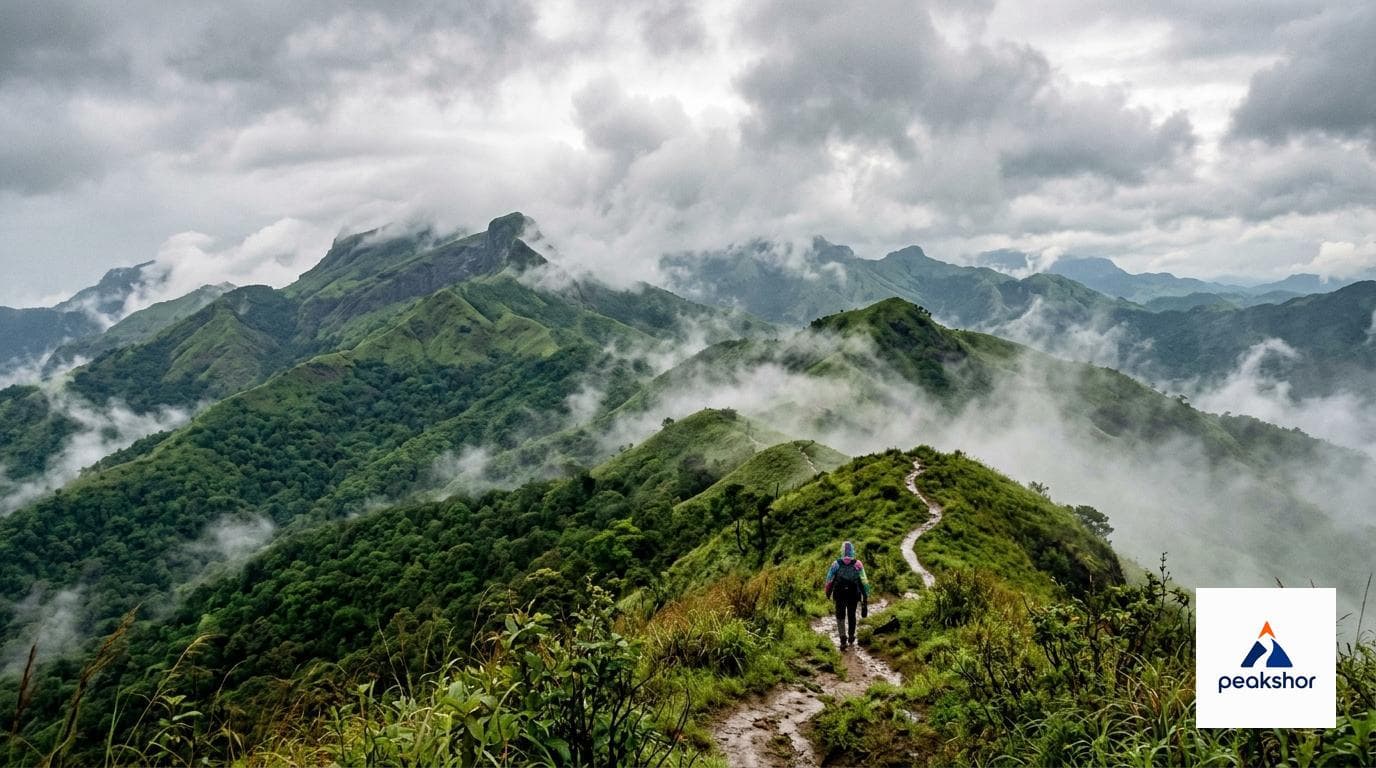
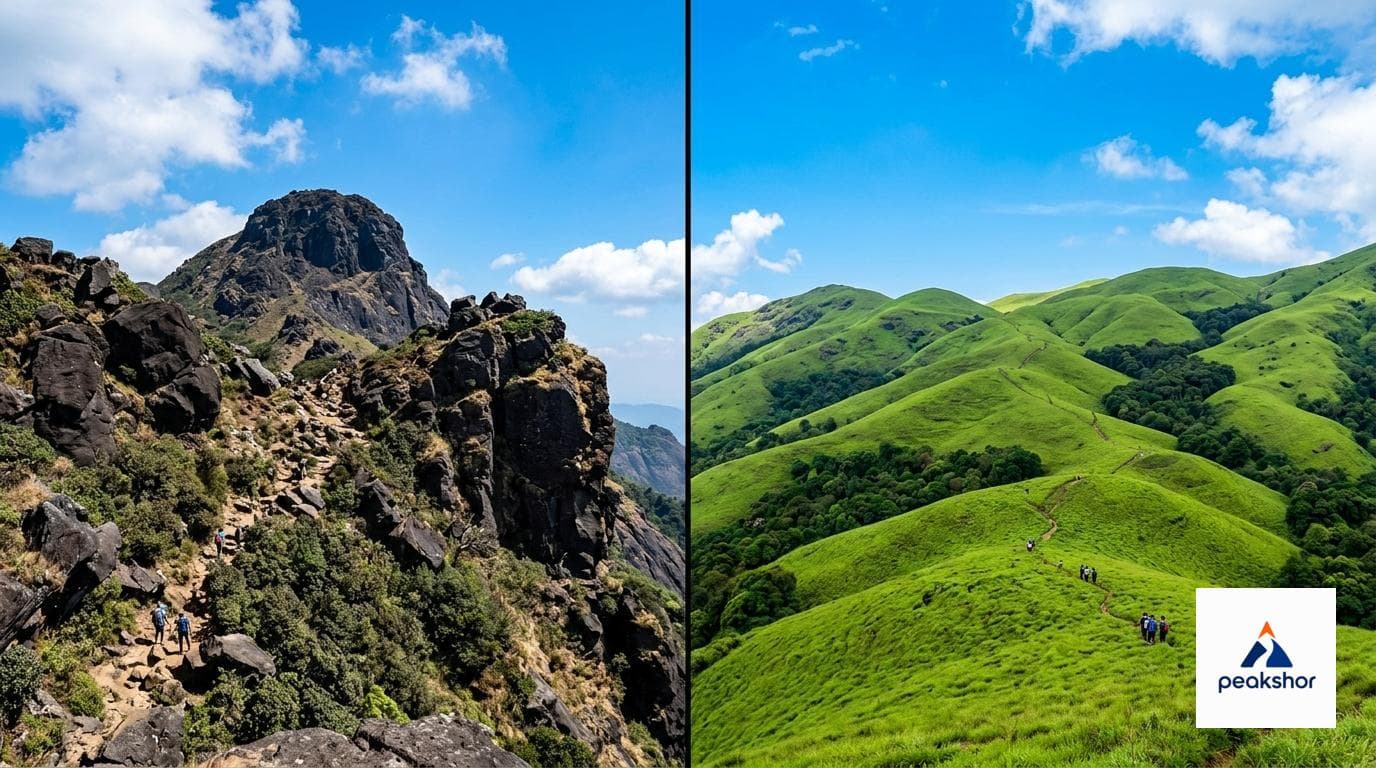
The terrain of your destination determines your final packing list. A dry trail in Ladakh requires different gear than a wet trek in Meghalaya. Always consult with your Peakshor host before you start packing. They can provide valuable local insights about current trail conditions and microclimates.
How do I layer clothing for mountain treks?
You layer clothing for mountain treks using a three-layer system: a moisture-wicking base layer, an insulating mid-layer, and a weatherproof outer shell. This system allows you to easily adjust your body temperature as you hike or rest.
Buying good beginner trekking gear does not mean buying the most expensive jacket in the shop. It means understanding how different fabrics work together to trap heat and block wind. You need to adapt quickly when the weather changes.
The base layer sits directly against your skin. It should be made of polyester or merino wool. These fabrics pull sweat away from your body. Never wear cotton on a trek. Cotton holds sweat, which cools down and makes you freeze when you stop walking.
The insulation layer
The middle layer traps your body heat. A lightweight fleece jacket is the standard choice here. If you expect very cold weather, a light down sweater is perfect. Down offers incredible warmth for very little weight. Just keep it dry, as wet down loses its warmth.
The outer protective shell
Your outer layer protects you from wind and rain. A high-quality waterproof jacket is vital. Look for jackets with adjustable hoods and breathable membranes. Do not forget your legs. Quick-dry trekking pants are much better than jeans. Bring at least one pair of thermal bottoms for cold nights.
Accessories are just as important as your main clothing layers. A warm beanie is crucial because you lose a lot of heat through your head. Bring a sun hat for daytime hiking. Lightweight gloves protect your hands from cold winds and rough rocks.
Pack a pair of camp shoes, like light sandals or slip-ons. After a long day of hiking, your feet will need to breathe. Slipping out of heavy boots into comfortable camp shoes is one of the best feelings of the day.
What are the best trekking shoes for beginners?
The best trekking shoes for beginners are mid-cut boots with deep rubber lugs, a waterproof membrane, and good ankle support. These features protect your feet from sharp rocks, prevent slips on muddy trails, and reduce the risk of ankle sprains.
Your feet are your vehicle on the trail. Investing in proper trekking shoes is the single most important gear decision you will make. Do not wear flat sneakers or running shoes. Running shoes lack the grip needed for slippery slopes.
Sneakers also have soft soles that let you feel every sharp rock. This bruises your feet over long distances. When shopping, look for deep lugs on the soles. These deep grooves bite into mud and loose dirt. Make sure the boots offer decent ankle support to prevent rolls on uneven ground.

Breaking in your footwear
Ensure you break in your new boots before the trek starts. Wear them around your house or on short weekend walks. This softens the material and helps prevent painful blisters on the mountain. Never wear brand-new boots on a multi-day trek.
Choosing the right socks
Pair your boots with thick, synthetic hiking socks to reduce friction. Avoid cotton socks because they hold moisture and cause hot spots. Merino wool socks are excellent for keeping feet dry and odor-free. Bring at least three pairs for a multi-day journey.
How should I organize my backpack packing list?
You should organize your backpack by placing light items like sleeping bags at the bottom, heavy gear close to your back in the middle, and quick-access items at the very top. This distribution keeps your center of gravity stable and makes hiking much easier.
A structured backpack packing list keeps your gear balanced and easy to find. Start with your sleeping bag and spare clothing at the bottom. This creates a stable base. It also cushions your pack when you set it on the ground.
Next, place heavy items like water bladders, food, and stoves in the middle. Keep these items close to your spine. If heavy items are too far from your back, they will pull you backward. This causes severe strain on your shoulders and lower back.
The quick-access zone
Put your fleece jacket, rain poncho, and headlamp at the top. You do not want to dig to the bottom of your pack when a sudden rainstorm starts. Keep small items like snacks and sunscreen in the hip-belt pockets. This lets you grab them without stopping.
Using dry bags for organization
Use small dry bags to organize your clothes. This keeps everything dry even if water leaks inside your pack. It also makes finding clean socks a simple task. A rain cover for your backpack is also essential to protect against heavy downpours.
Do I need to buy gear or can I rent it?
You do not need to buy all your gear; you can easily rent expensive items like high-quality jackets, sleeping bags, and trekking poles. Renting is highly recommended for beginners because it saves money while letting you test different brands.
High-altitude trekking can get expensive quickly. If you are not sure you will hike regularly, renting is the smartest choice. Many Peakshor local hosts and rental hubs near popular trailheads offer great equipment. You can rent heavy down jackets, water-resistant trousers, and even backpacks.
However, you should always buy personal items. Footwear should never be rented because boots mold to the shape of the wearer's foot. Wearing rented boots often leads to severe blisters and foot pain. Undergarments, thermal layers, and socks must also be purchased for hygiene reasons.
How to inspect rental gear
Before renting, inspect the zippers, buckles, and seams. Make sure everything works perfectly. A broken zipper at sub-zero temperatures can quickly turn an adventure into an emergency. Ask the rental shop about their cleaning process for sleeping bags and jackets.
Cost comparison for beginners
Renting a sleeping bag and jacket can cost a fraction of their retail price. Save your money for high-quality boots and thermals. Once you know you love trekking, you can slowly start buying your own premium gear.
What safety and hygiene items are mandatory?
Mandatory safety and hygiene items include a personal first-aid kit, water purification tablets, eco-friendly toiletries, sunscreen, and a reliable headlamp with extra batteries. These items protect you from minor injuries, dehydration, and sun damage while preserving the mountain environment.
Hiking in remote regions means help is often hours or days away. You must be self-sufficient. Always carry a basic first-aid kit. Pack blister band-aids, pain relievers, rehydration salts, and any personal medications. Do not rely on others for your basic health needs.
Clean drinking water is crucial. The Indian Meteorological Department recommends staying well-hydrated during mountain activities to prevent altitude sickness. Carry a reusable water bottle and use purification tablets or a portable filter. Never drink straight from mountain streams without treating the water first.
Sun protection in high altitudes
At high altitudes, the atmosphere is thinner, and UV rays are much stronger. You can get sunburned quickly, even on cloudy days. Always pack a wide-brimmed hat, polarized sunglasses, and high-SPF sunscreen. Apply sunscreen every few hours to protect your skin.
Leave No Trace principles
Keep your environmental footprint small. Bring biodegradable soap and wet wipes. Pack all your trash back down with you. The mountains are fragile ecosystems, and we must keep them clean. Respect the wildlife and the local communities hosting your trek.
What small tools should every trekker carry?
Every trekker should carry small tools like trekking poles, a multi-tool pocket knife, a headlamp, and a lightweight power bank. These small items make daily tasks easier, help you maintain balance, and keep your electronics charged.
Many beginners overlook the importance of trekking poles. They are not just for older hikers. Poles reduce the impact on your knees by up to twenty-five percent. They also help you maintain balance on steep descents or loose gravel.
A headlamp is far better than a hand-held flashlight. It keeps your hands free to hold trekking poles or scramble over rocks. Always bring spare batteries, as the cold drains battery life much faster than normal. Store batteries in an inside pocket to keep them warm.
Electronics and power backup
Cold weather reduces phone battery life dramatically. Carry a high-capacity power bank to keep your phone charged. You will want to take photos of the stunning views. A simple multi-tool is also useful for quick gear repairs on the trail.
Final steps before you hit the trail
Before you head out, do a final gear check, pack your backpack carefully, and coordinate any rentals with your Peakshor host. Ensuring everything is in order before leaving prevents avoidable issues once you are in remote mountain areas.
Preparing for your first trek is an exciting process. Having a solid plan and the right equipment ensures a safe journey. Do not let the long list of gear overwhelm you. Focus on the essentials first: good boots, warm layers, and a reliable backpack.
Reach out to your Peakshor host to clarify what they provide. Many hosts offer tents, sleeping bags, and meals, which reduces what you need to carry. Keep this guide handy as you pack, and get ready for an unforgettable adventure.
Browse our full range of guided adventures across India to find your next trip.
Read enough — ready to actually go?
Browse destinations